


Can Game Theory Improve Your Trading?
Markets are multiplayer, not solo. You never trade alone. Each order meets another order, and the trader on the other side of your position has…
Markets are multiplayer, not solo. You never trade alone. Each order meets another order, and the trader on the other side of your position has their reasons. Sometimes they’re hedging, sometimes they’re hunting, sometimes they’re trapped.
Game theory is a simple way to think ahead: if I make this move, how might they respond, and what does that do to my outcome?
Game Theory, In Plain English
Game theory studies decisions where payoffs depend on what other players do. In markets, “players” include retail traders, funds, and liquidity providers — all contributing to the order flow of the markets.
You don’t need equations; you need a habit of asking one small question before you act: if I do X, what might they do next, and what would I do after that? For a quick primer on why trading isn’t a coin flip, start with our related read: Is trading a 50/50 game?
Why This Matters To Traders
Price often looks random until you map incentives. A pop above a clear high can be a clean breakout, or it can be exit liquidity for someone unloading risk. When you treat moves as choices by other players rather than fate, you stop chasing and start planning. That small mental pivot turns reactive trades into prepared scenarios.
The Building Blocks
- Players: retail, funds, market makers, liquidity providers, news algos.
- Payoffs: profit, loss, daily drawdown, survival to trade again.
- Information: price, volume, news, positioning; plus hidden intent you infer.
- Strategies: enter, exit, hold, bluff, trap, wait.
- Equilibrium: points where pushing further offers little edge because the other side has adjusted.
These basics are enough to operate like a strategist instead of a tourist. You are not trying to predict every market move; you are trying to plan for the most likely responses to your action.
The Anticipation Loop
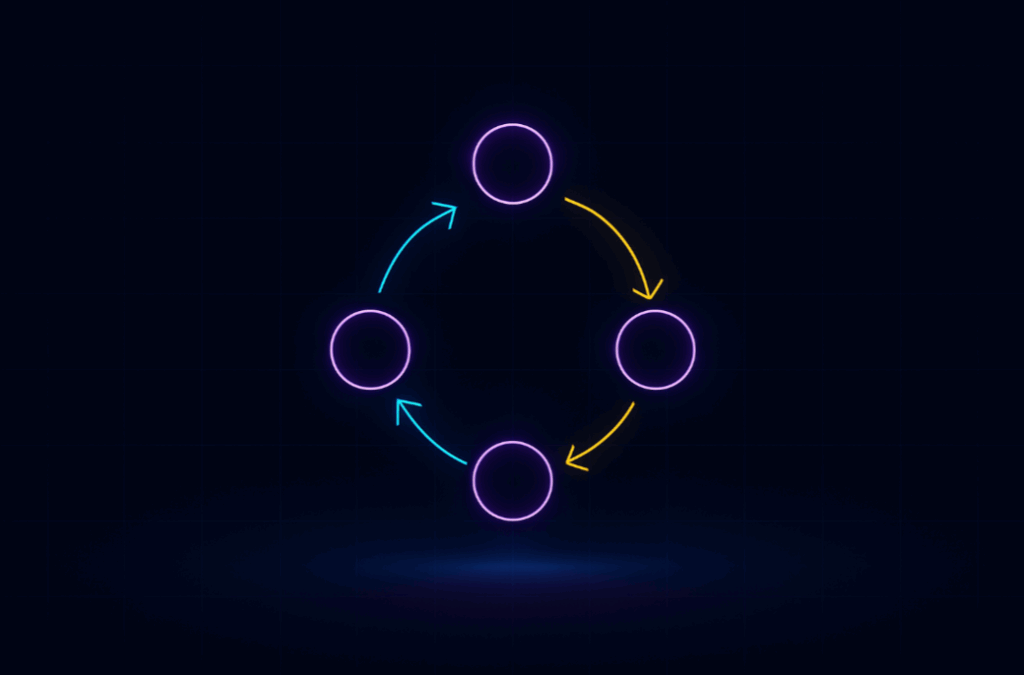
Before any trade, run a tiny mental flowchart. If I buy here, who benefits and how could they reply—absorb and fade me, or continue and squeeze others? If they fade, do I reduce, flip, or stand aside; if they continue, where do I add without breaking risk? If nothing happens, what’s my clean scratch that preserves headspace?
Where You See These “Games” Daily
Stop hunts are the textbook example. Price dips through a cluster of obvious stops, fills the order book, and snaps back as the trapped side exits. What looks like chaos is often a deliberate run on liquidity to fuel the next leg.
Fake breaks follow a similar script. A push through a level lures late entries; then the market flips back inside the range and runs the other way. The late crowd becomes fuel, and the early planners take the other side with defined risk.
News whips look violent but often resolve into balance. The first spike reprices information quickly; the follow-through depends on how much positioning was leaning the wrong way. When the second push cannot extend, the fade back toward the pre-news area is the “game” closing its loop.
Crowded trades build like a slow wave. The story is perfect, social proof is loud, and entries are sloppy. When the unwind starts, it’s not personal; it’s just the bill for impatience coming due.
SMC & Wyckoff, Through The Lens
Wyckoff’s “composite man” is a useful cartoon: imagine one large actor orchestrating accumulation, mark-up, distribution, and mark-down. You won’t see his face, but you can observe his footsteps—where liquidity sits, how supply is absorbed, and when price is allowed to run.
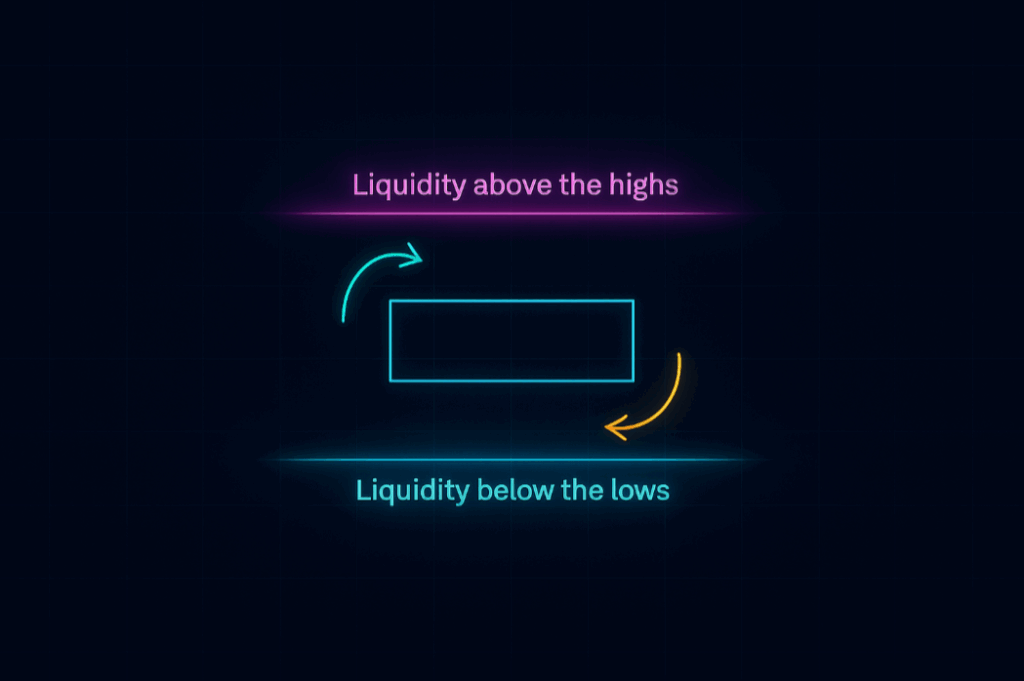
Smart Money Concepts leans on those ideas in modern language. You map liquidity pools above equal highs and below equal lows; you expect sweeps where stops are obvious; you plan for springs and upthrusts that “show one thing, do the other.” This is not mysticism; it’s a practical way to think about how a bigger player tidies the order book before moving the price.
Everyday “Games” You Already Know
- Prisoner’s dilemma: in stress, many defect early—panic exits into lows or FOMO chases into highs.
- Stag hunt: you can go early for a risky reward or wait for robust confirmation; coordination matters.
- Signalling games: a big print, a spoof ladder, a timed push near session open—signals can be honest or deceptive.
- Coordination: round numbers and prior highs act as Schelling points where many players meet.
You’ve seen these patterns even if you didn’t label them. Naming the “game” helps you choose sensible responses instead of emotional ones.
A Practical Playbook
Start with an opponent model for the session. Who is likely to be active—trend followers, options hedgers, or a thin book where small orders move price? This shifts you from chart-gazing to player-mapping.
Write simple if-then paths. If we sweep above the range and close back inside, I look for the fade on the retest. If we break the range and hold above, I stop trying to be clever and join with tight invalidation.
Use confluence rather than single signals. Structure plus liquidity plus timing beats “one indicator says buy.” Your best trades often have alignment across those three.
Protect survival first. Keep position size inside your daily drawdown rules so one idea cannot end your day. Game theory is pointless if you cannot stay at the table.
Hide your exits beyond obvious clusters. If your stop sits where everyone else puts theirs, you’ve donated your plan to the crowd. Give price a little room to be noisy without paying extra tuition.
Let alerts work for you. Set clean levels and step away from tick-by-tick noise. If the market wants you, it will ring the bell.
A Scenario You Can Trade
Game theory asks: if I act here, how will others reply—and what does that do to my outcome?
This setup shows how a crowd’s first reaction to news can create a second, better move for you.
News spike and fade (GBP/USD, M15 — 5 Sep 2025, NFP 12:30 UTC)
A weak NFP print sends GBP/USD higher fast.
The first pullback fails to extend; a second push stalls below the news high.
That’s the cue: the move is tired, and the fade back to pre-news balance is on.
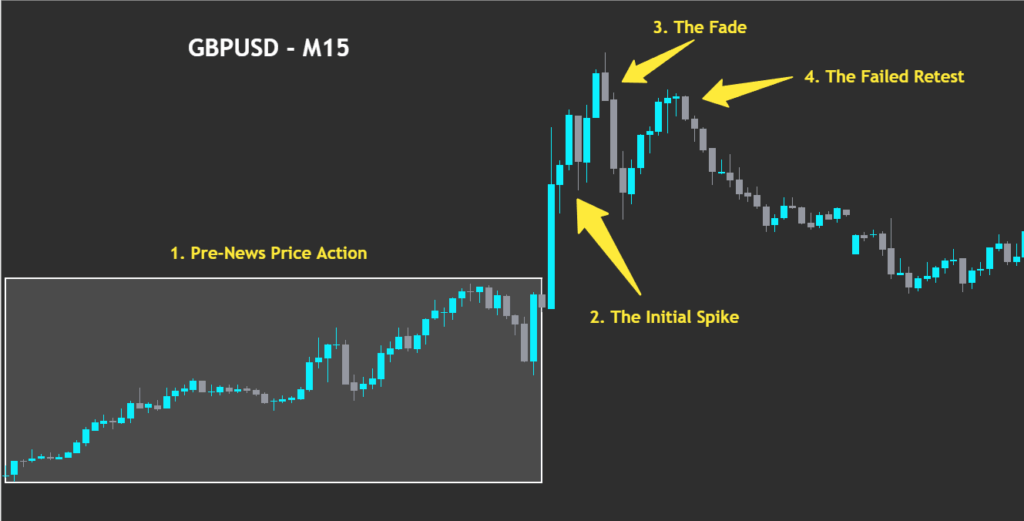
*GBP/USD 15-minute on 5 Sep 2025 (NFP 12:30 UTC). Price spikes on the data, fails to make a new high on the retest, then fades back to the pre-news area.
How to trade it
- Trigger: second push fails below the news high.
- Entry: short on the reclaim back inside the post-news structure or on a retest of the failure level.
- Invalidation: hard stop above the news high plus a small buffer.
- Targets: pre-news balance, then a full fade if momentum stays weak.
- Timeframes: M5–M15.
Pitfalls To Avoid
Analysis paralysis is the silent killer. A tidy plan executed at B-plus is better than a perfect theory never clicked. Narratives feel good, but confluence pays the bills.
Beware of overfitting. Yesterday’s trap was yesterday’s game; today’s players might choose differently. Look for rhymes, not carbon copies.
Respect resource mismatch. You will not out-react a news algo inside the first second. Work where your advantages live: clear plans, patient entries, and disciplined risk.
A 30-Second Pre-Trade Checklist
- Player map: who benefits if we move into this level now?
- Liquidity map: where are obvious stops and optional “fuel”?
- Trigger: what confirms the idea quickly and cleanly?
- Invalidation: where am I simply wrong, no debate?
- Risk: does my lot size fit today’s limits?
- Plan B: if it fakes, what is my next move without anger?
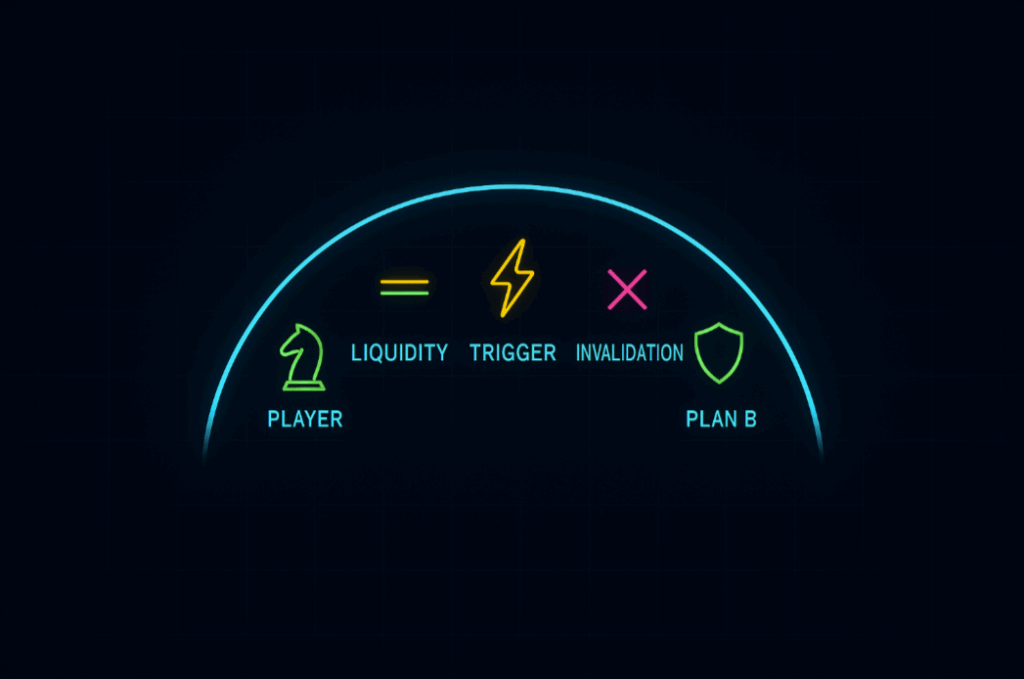
Keep this list near your keyboard. It stops the spiral into revenge trading and keeps your decisions repeatable.
Timeframes And Conditions
Day traders see more “games” around session opens and major data. The open sets who’s trapped; data decides who must adjust. Your edge is knowing when to engage and when to wait for the second move.
Swing traders lean on higher-timeframe structure and positioning. Funding, open interest, and commitment of traders data can hint at crowded sides. You still wait for a clean trigger; you just do it with more context behind you.
In trends, the safer entries often appear after a trap against the move. Let the market sweep, then join as it flips back in line with the main flow. In ranges, you fade edges when the liquidity is obvious and the middle is mush.
Where This Fits With FXIFY Traders
Our model rewards discipline over drama. No time limits mean you can wait for clean if-then triggers instead of forcing trades. Dashboard analytics help you review your branches after the fact: what you planned, what happened, and how you responded.
Fast payouts and flexible evaluation options exist to back serious process. A game-theory mindset keeps you inside daily risk rails while you build a durable edge. Capital protection first; profits are a by-product of repeatable decisions.
Wrap-Up: Think One Move Ahead
See opponents, not random ticks. Ask the next-move question before you act, then manage the reply calmly. Trade small enough to survive and often enough to learn. When you need a refresher on why odds tilt with context, revisit the 50/50 piece, then update your playbook.